



Light & Wonder - Free Demo Play & Top Casino Games
Light & Wonder is a slot maker and distribution platform in one, building its own branded games while its OpenGaming network carries thousands more from other studios. Its own titles run on big licensed brands like Squid Game and Monopoly, alongside classic slots reborn from the casino floor.
Light & Wonder - Free Demo Play & Top Casino Games











































🗝️ Key Takeaways
- Light & Wonder is one of the giants of the gambling world, a Las Vegas company that spent decades making casino-floor machines before turning to online slots.
- It is the studio formerly known as Scientific Games, rebranded in 2022, with roots stretching back over half a century.
- It works on two levels at once: its own online slots, and a distribution platform called OpenGaming that carries games from many other studios too.
- OpenGaming carries thousands of games from dozens of outside studios, so a great many titles you play may reach you through Light & Wonder without carrying its name.
- Its own catalogue leans on big branded slots, from a Squid Game tie-in to Monopoly, alongside casino-floor hits rebuilt for the browser.
- Returns run wide and are set by the casino, from a low 87.00% floor up to about 96.89%, with most modern slots near 95.50% to 96.30%.
- It is licensed by the UK's regulator, Malta's, and a long list of others, and its games are independently tested.
Say the name of most slot studios, and you know roughly what you will get. Say Light & Wonder and the honest answer is: it depends which part you mean.
It is not really a single studio at all, but a Las Vegas gaming empire that makes its own online slots and runs one of the biggest distribution platforms in the business. Under its former name, Scientific Games, it spent decades building the physical machines found in casinos worldwide, and that heritage now feeds a huge online operation.
This review takes it in layers. We cover where the company came from, the slots it makes itself, the OpenGaming platform that carries everything else, and where it all stands on returns and regulation.
🔦 From Scientific Games to Light & Wonder
To understand Light & Wonder you have to start with the name it used to have. For most of its life this company was Scientific Games, a pillar of the American gambling industry with a history reaching back over fifty years, best known for the slot cabinets and lottery systems it built for the physical world.
In 2022 it sold off its lottery and sports-betting arms and rebranded as Light & Wonder, a deliberate signal that its future was in digital gaming and content rather than hardware. The company is headquartered in Las Vegas, publicly listed on the stock market, and it reaches operators in more than a hundred jurisdictions worldwide.
That scale is the thing to hold onto. This is not a boutique with a signature trick, it is a broad, corporate supplier whose strength is reach, reliability and a deep back-catalogue rather than any single bold idea.
If you want a rough comparison from our own pages, our Playtech review covers another giant built the same way, from many studios and a platform rather than one team.
🎆 The Slots It Makes Itself
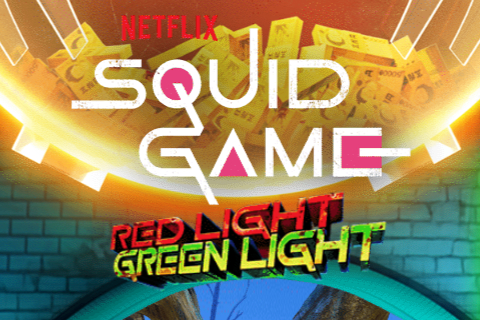
At the centre of everything sit the slots Light & Wonder develops in-house, and the headline strategy here is branded content. Where it can, the company builds slots around names players already know, and its recent flagship is a licensed tie-in with the Netflix series Squid Game, which turns the show's set-pieces into bonus rounds.
Monopoly is another recurring licence, appearing across several titles that fold the board game into slot features. Around the branded games sit the studio's own franchises and its land-based classics brought online.
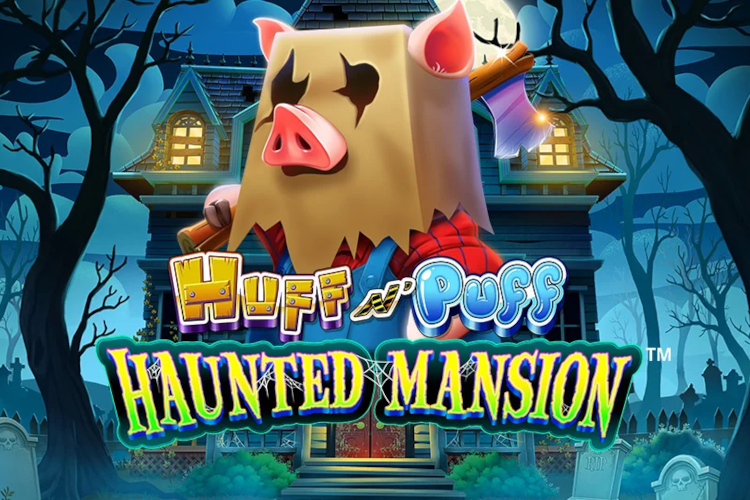
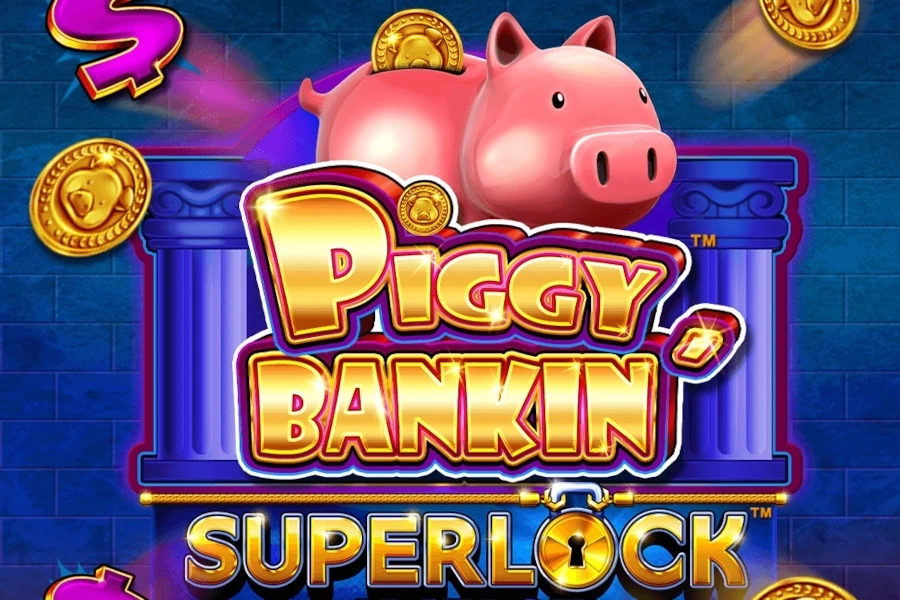
Huff N' Puff, Piggy Bankin', Bigger the Loot, Cash Wheel and the Wizard of Oz slots are all Light & Wonder titles that began life on casino floors and now run in the browser, keeping the loud, high-contrast look of a physical machine. The mechanics are mostly familiar rather than experimental, hold-and-spin coin rounds, ways-to-win grids, pick-and-click bonus wheels, in keeping with a supplier that favours proven formats.
One of its own slots, Monster Catch, is a good example of the house style, and you can read our full Monster Catch review for a closer look. These are dependable, recognisable games rather than boundary-pushers.
One of its own slots, Monster Catch, is a good example of the house style, and you can read our full Monster Catch review for a closer look. These are dependable, recognisable games rather than boundary-pushers.
🎇 OpenGaming and the Partner Studios
Here is where Light & Wonder stops being just a game-maker and becomes an ecosystem. OpenGaming is its distribution platform, an aggregator that carries not only its own games but thousands of titles from dozens of independent studios, delivering the lot to operators through a single connection.
That is why the studio name on a game in a Light & Wonder lobby is often not Light & Wonder at all. Big independent names distribute through OpenGaming, among them ELK Studios, the Swedish maker of Wild Toro and the Pirots series, Nolimit City, known for its extreme-volatility slots, and ReelPlay.
These are partners rather than possessions, they keep their own identities and licences, and their games simply reach players via the platform. One of them illustrates the point well.
Stockholm Syndrome, a hard-hitting slot from Nolimit City, is exactly the kind of partner title that reaches operators through the platform. Read our Stockholm Syndrome review for a sense of that studio's style, which is a world away from Light & Wonder's own classic house.
💰 Returns and the Version Problem
Returns are where a Light & Wonder player has to pay close attention, because the spread is one of the widest of any major supplier. The published rates reach from a low 87.00% right up to about 96.89%, and that bottom figure undercuts almost anything else on the market.
The reason is that a lot of its slots exist in several return versions, with the casino choosing which to load. A single title such as 3 Pot Surge can ship at 96%, 94% or 92%, and other games drop lower still, so where you play a slot can matter as much as which slot you play.
In practice most modern Light & Wonder video slots settle between 95.50% and 96.30% at their common builds, which is fair enough for the market. But the weak versions are out there, and no lobby tells you which one it has loaded.
The habit this forces is simple and worth keeping without exception. Pull up the game's own information screen, read the live return before you commit, and pass on anything showing an 87% or 92% build.
Our RTP guide explains how one slot ends up with so many rates, and our volatility guide covers the way a game's swing plays out over a session.
⭐ Licensed and Tested at the Highest Level
If returns are the caution, regulation is the reassurance, because this is one of the most heavily licensed suppliers in the industry. Light & Wonder is licensed by UK Gambling Commission and Malta's Gaming Authority, together with the Government of Gibraltar, the Alderney Gambling Control Commission, the Isle of Man and Sweden, and it is certified across more than a hundred jurisdictions in total.
Its games are audited for fair, random results by respected labs including Gaming Laboratories International and BMM Testlabs. Our UKGC licence review and MGA guide set out what the two strictest of those regulators ask of a supplier.
Standing behind all of it is a company listed on the stock market, which piles further oversight on top of the licences themselves. That accountability does not touch the odds of a single spin, though, so settle on an amount you can comfortably lose before the first spin and stop there, whatever the reels are doing.
🕹️ Try the Games Free
Only the slots can be sampled for free, and every Light & Wonder game on our pages loads in demo without an account, running the same maths as the paid version. With the returns spread this wide, a few free rounds are worth taking to size up a title before any money rides on it, and to separate the classic in-house machines from the partner-studio games sharing the same lobby.
The one thing demo cannot reveal is the return build your casino has loaded, so read that number in-game the moment you move to real stakes. When a title earns a deposit, our Popular Casinos page rounds up the licensed operators we recommend that carry Light & Wonder.
🌟 Vistagamble's Honest Assessment
So how does a giant like this actually serve a player? The strengths are scale and safety, the weaknesses are value and clarity, and the balance below sets the two against each other.
➕ The Positives
- Reach and pedigree like almost no other: the Scientific Games heritage, the decades of casino-floor classics rebuilt online, and the OpenGaming platform together give it a scale few rivals approach.
- Regulated to the highest bar: UKGC, MGA and a long list of further licences, plus GLI and BMM testing, make it one of the most accountable suppliers a player can pick.
- Recognisable, dependable games: its branded slots and land-based classics are familiar and reliable, doing exactly what they promise.
- A whole ecosystem in one place: through OpenGaming, a single Light & Wonder connection brings a casino thousands of games, its own and its partners', under one roof.
➖ The Negatives
- A punishing RTP floor: with builds running as low as 87%, an unchecked pick can cost you far more here than at most suppliers.
- Little real innovation: the in-house games favour proven formats over new ideas, so players chasing fresh mechanics will look to the partner studios instead.
- A confusing identity: the mix of its own games and the distributed partner titles means the Light & Wonder name on a lobby tells you less than it seems to.
- The version lottery: because the casino picks the build, the return you get can fall well short of the advertised figure.
🔒 Conclusion
Light & Wonder is best judged not as one studio but as the whole operation it runs. Its strength is breadth: the Scientific Games heritage, the branded slots, the casino-floor classics, and the OpenGaming platform that carries half the industry.
Its regulation, meanwhile, is as solid as any supplier's anywhere. For a player, that means recognisable games at properly licensed casinos, backed by a company with decades of accountability behind it.
What it does not mean is a guarantee of value or novelty. The in-house slots are dependable rather than daring, the name on a lobby hides as much as it reveals, and above all the returns swing from fair to poor depending on a build the casino chooses and rarely shows.
Play its classics for the familiarity, explore the partner studios for the invention, and read the return on every game before you stake. Treated with that care, checking the rate and knowing what you are actually playing, Light & Wonder is a giant worth knowing.
Frequently Asked Questions❓
What is Light & Wonder?
It is a major Las Vegas gaming company, formerly called Scientific Games, that makes online slots, owns several classic slot studios, and runs the OpenGaming distribution platform. It rebranded to Light & Wonder in 2022.
Is Light & Wonder the same as Scientific Games?
Yes, it is the rebranded successor to Scientific Games, which shed its lottery and sports-betting divisions in 2022 and took the new name to signal a focus on digital gaming.
What is OpenGaming?
It is Light & Wonder's distribution platform, an aggregator that delivers thousands of games to casinos through a single connection, spanning both its own titles and those of many independent studios.
Does Light & Wonder make all the games in its lobby?
No, it develops many titles itself, but its OpenGaming platform also carries games from independent studios such as ELK Studios, Nolimit City and ReelPlay. Only games badged Light & Wonder are its own work.
What RTP do Light & Wonder slots have?
The range is unusually wide, from a low 87.00% up to about 96.89%, because titles ship in several versions and the casino picks one. Most modern slots run around 95.50% to 96.30%, but confirm the rate on the game's info screen before playing.
Is Light & Wonder licensed?
Yes, heavily. Its regulator list runs to the UKGC, MGA, Gibraltar, Alderney, Sweden and the Isle of Man among many more, with independent labs testing every game.
What are Light & Wonder's most famous games?
Its own catalogue spans the Squid Game and Monopoly tie-ins plus casino-floor classics reborn online, Huff N' Puff and Piggy Bankin' among them. The platform also carries hits from partner studios such as ELK Studios and Nolimit City.
Can I play Light & Wonder games for free?
Yes, all of its slots are playable in demo here with no sign-up, on identical maths to the real thing. With returns this variable, a few free rounds are a smart way to judge a title first.