
How to Get the Best Bonus Offers From Any Casino
🗝️ Key Takeaways
- The biggest welcome banner is rarely the best deal. The strongest offers usually arrive later, when a casino is trying to win you back.
- Casinos sort players by how long they have been quiet, from cooling to lapsed to dormant, and fire automated win-back offers as the silence grows.
- A reactivation offer is scaled to your past value, so a regular depositor who goes quiet can be offered more than the welcome bonus ever gave.
- Build a short deposit history first, then let the account fall quiet to bring the better offers your way.
- Keep marketing emails and notifications switched on, or the best offers never reach you.
- The strategy is capped. Casinos stop chasing after a few unanswered attempts, and an account that never deposited gets nothing special.
- Judge every offer on its wagering, bet cap, withdrawal limit and expiry, not the headline percentage, and favour low-wagering and wager-free deals.
- Never claim a bonus you would not have deposited for anyway.
The most generous offers a casino has are almost never the ones flashing on the home page. The welcome bonus is bait for newcomers, dressed up with the biggest number the marketing team can justify.
The real value sits one step deeper, in the offers a casino sends when it senses you slipping away. Understanding how that machine works is the difference between taking whatever lands in your inbox and knowing exactly when the strongest deals tend to arrive.
This guide pulls back the curtain on casino marketing and shows you how to read it as a player, so you can recognise a genuinely strong offer and time your play to meet it.
⚡ The short answer
The best bonus offers do not come from grabbing the largest welcome banner you can find. They come from making yourself a player the casino wants to keep, then judging every offer on its terms rather than its headline.
In practice that means a handful of normal deposits to build a little history, then letting the account fall quiet so the casino's automated win-back offers trigger, all while you keep its marketing emails switched on. When an offer lands, you weigh the wagering rather than the percentage, you favour low-wagering and wager-free deals, and you lean on loyalty perks once you play regularly.
Above all, you only ever claim a bonus you would have deposited for anyway. The rest of this guide explains why that works and how to time it.
💸 Why a casino wants you back more than it wanted you in the first place
Winning a brand-new player is expensive. A casino pays for advertising and for the welcome bonus itself, all just to get one person through the door, and the cost of acquiring a single new player runs surprisingly high.
A player the casino already has on file is far cheaper to reach. It holds your email, knows your favourite games and has a record of what you tend to spend.
So an existing player who drifts away is not written off. You become a problem worth solving with money.
This is the logic that drives everything that follows. Bringing back someone the casino already knows is some of the cheapest revenue it can find, and a retained player is worth several times more over time than a first-time visitor.
The budget a casino sets aside to tempt you back can therefore be larger than the one it spent to win you in the first place. Once you see a bonus as a calculated marketing cost rather than a gift, the whole picture changes.
🗂️ How casinos sort you the moment you stop playing
The clock starts on your last deposit or session. Behind the scenes, marketing teams file players into rough bands based on how long they have been quiet.
Someone who has gone silent for a month or so is cooling. A gap of a couple of months marks you as lapsed.
Past roughly three months you are dormant, and the casino assumes it is close to losing you for good. Each band triggers a different style of message and, more importantly, a different size of offer.
The longer the silence, the more concrete the casino feels the reason to return needs to be. A cooling player might get a gentle nudge about a new game.
A dormant one is far more likely to get hard value, because a soft reminder is no longer enough to move someone who has all but gone.

🎁 The win-back offer, and why it can beat the welcome bonus
This is the part your inbox rarely advertises in advance. Casinos run automated win-back campaigns that fire after a set period of inactivity, with no human deciding to send them.
The offer that arrives is a reactivation bonus, and it is built specifically to pull a known player back rather than to greet a stranger. Here is the point that surprises most players.
For someone who used to deposit regularly, the reactivation offer can be more generous than the welcome bonus ever was. The casino has your history.
It knows roughly what you are worth, so it is willing to spend more to recover you than it would risk on an unproven newcomer. Free spins are a particular favourite for these campaigns.
Operators find they pull lapsed players back more reliably than a plain deposit match. So a strong run of spins with fair terms is a common shape for the best win-back offers.
⚖️ What actually decides how good your offer is
The size of a win-back offer is not random, and it is not a reward for simply doing nothing. It scales to what the casino believes you are worth, a figure the industry sometimes calls your theoretical value.
Three things move the dial. The first is your history.
How much you used to deposit and how often you played sets the ceiling on what the casino will spend to bring you back. The second is how long you have been away, since the offers tend to climb as you cross the cooling, lapsed and dormant lines.
The third is how you left. A player who deposited steadily and then went quiet is prime territory.
A big winner who cashed out and disappeared often gets a softer offer with deliberately light terms, designed to coax those winnings back into play. One case sits outside all of this.
Someone who registered, never deposited and went silent has no track record to reactivate. With no value to chase, that person tends to keep seeing the ordinary welcome offer rather than anything special.
The strategy in this guide rewards players the casino already recognises, not empty accounts.
🎯 How to put yourself in line for the strongest offers
Everything above is the operator's playbook. Turned around, it becomes a simple plan for a player.
- Build a track record first. The best reactivation offers go to players the casino already values, so a few normal deposits and sessions put you on its radar.
- Then go quiet on purpose. Once you have played, stop and let the inactivity window pass, because offers tend to escalate as the silence stretches from weeks into months.
- Stay reachable. Keep marketing emails and push notifications switched on, since win-back campaigns run through exactly those channels and opting out means the strongest offers never reach you.
- Do not pounce on the first nudge. The opening message is often a light reminder rather than the best deal, and stronger offers frequently follow as the gap widens.
- Know that it is capped. Casinos do not chase forever, so after a few unanswered attempts they give up and the tap runs dry.
🔍 The terms still decide everything
A headline like 200% sounds thrilling, but the percentage on the banner tells you almost nothing on its own. What matters is the fine print, and two offers with identical headlines can be worlds apart.
Check the wagering requirement, the figure that says how many times you must stake the bonus before any winnings turn into withdrawable cash. Then check whether that multiple applies to the bonus alone or to your deposit and bonus combined, because the difference can double the work.
A 100% match on a £100 deposit gives you £100 in bonus funds. At 35 times wagering on the bonus, you must stake £3,500 before you can withdraw.
Apply the same multiple to deposit plus bonus and the figure climbs to £7,000. Same headline, double the effort. For the full breakdown of how these multipliers work, read our wagering requirements detailed review.
From there, check the maximum bet allowed while you are wagering, the cap on how much you are permitted to win or withdraw, which games count towards the requirement and how fast the clock runs out before the bonus expires. The genuinely strong reactivation offers, especially the ones aimed at players who have won before, often carry unusually low wagering.
Those are the offers worth waiting for. A small bonus with light terms can be worth far more than a giant one you could never realistically clear.

🎰 The games you clear a bonus on matter too
Where a welcome or win-back offer carries wagering, the games you choose to clear it quietly decide how much that bonus really costs you. Three things are worth weighing.
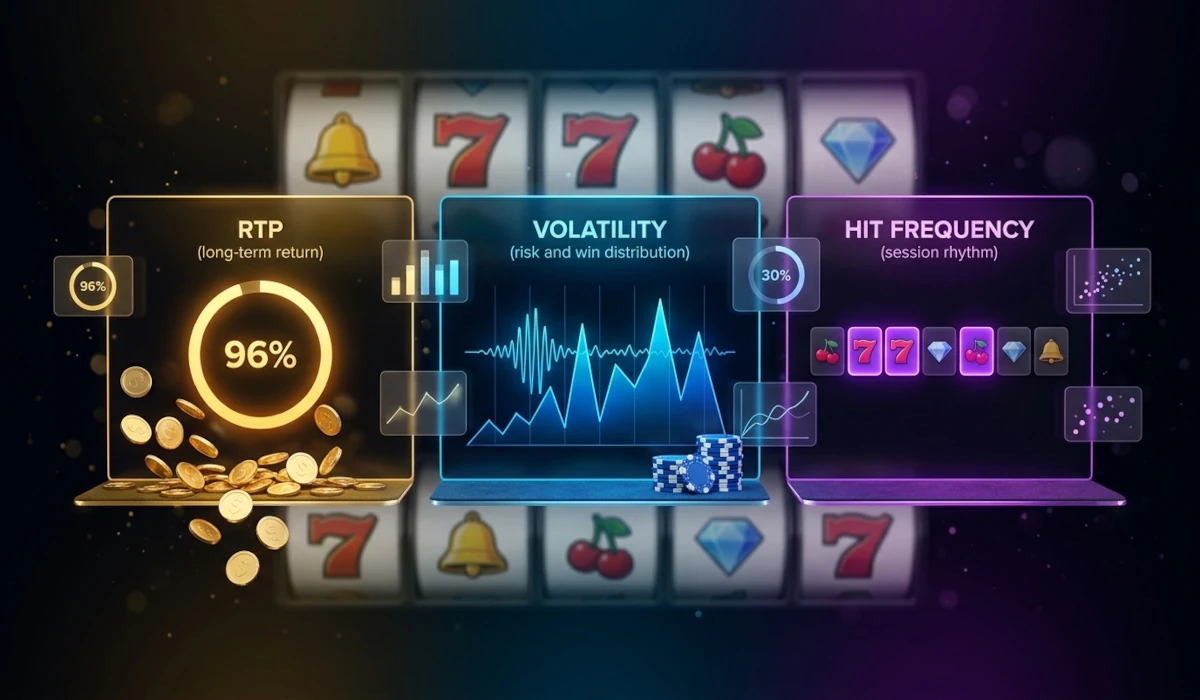
The first is the return to player percentage, the long-run share of stakes a game hands back. The higher it sits, the less the wagering grinds away at your balance, so leaning on higher-paying eligible games is the cheapest way to work through a requirement.
To see how this figure is worked out and where it lands across game types, read our complete RTP review. The second is how a game pays along the way.
A low-volatility slot drips smaller, steadier wins that keep your balance alive long enough to finish the wagering, while a high-volatility one can empty it before you get there. How often a game lands anything at all, its hit frequency, works hand in hand with this.
For the full picture, read our slot volatility detailed review and our hit frequency review. The third is a trap worth naming.
Bonus buy slots, the ones that let you pay a multiple of your stake to jump straight into the feature round, look tempting when you are sitting on bonus funds. Most bonus terms either ban the buy feature while a bonus is live or stop these games counting towards wagering at all, and a single barred purchase can void the whole offer.
Always check the rules first, and see how the feature works in our bonus buy slots review.
⚠️ The limits and the traps
The strategy is real, but it has hard edges, and pretending otherwise would do you no favours. A reactivation offer is not free money.
It is a marketing cost the casino fully expects to earn back, and the terms still hand the house its edge. The approach only works if you have value to reactivate, so pure abstention from an account that never deposited will not conjure better and better bonuses out of nothing.
Worst of all, chasing an offer can cost more than the offer is worth. If the wait tempts you into a larger deposit than you meant to make the moment the email lands, the casino has won twice over.
The entire plan collapses the instant a bonus pushes you past the limit you set for yourself.
🛡️ Playing it on your own terms
Bonuses are a tool the casino uses to shape how you play, and the smartest move you can make is to read them on your terms rather than theirs. Treat every offer as something to judge, not something to obey.
Set a deposit limit before any email has a chance to tempt you, walk away when you said you would, and remember that the best bonus in the world is worthless if it pulls you into spending you never meant to do. Here at VistaGamble, we always want your play to stay firmly within your control.
✅ A quick checklist before you accept any offer
- Is the wagering requirement realistic, and does it apply to the bonus only or to deposit plus bonus?
- What is the most you can actually withdraw from it?
- Is there a cap on your bet size while the bonus is live?
- Which games count towards the wagering, and do your favourites count in full?
- How long do you have before it expires?
- Would you make this deposit even if the bonus did not exist?
- If the last answer is no, the offer is steering you rather than serving you.
🌟 VistaGamble's Honest Assessment
Stripped of the marketing language, the approach in this guide is sound, but it rewards patience and judgement rather than greed. Here is where it earns its keep and where it lets players down.
➕ The Positives
- A genuine edge: the win-back mechanism is real and tilts in your favour once you have a history, turning the casino's own retention budget into better terms for you.
- Costs only patience: the offers tend to improve while you sit still, so the strategy asks nothing of you but time.
- Light wagering: the deals aimed at lapsed players, especially past winners, often carry the lightest terms a casino runs, so the value can be unusually clean.
➖ The Negatives
- Useless to beginners: the payoff depends entirely on past value, so a new or never-funded account gets none of it.
- It runs dry: after a few ignored attempts the casino gives up and moves you on, so the well cannot be returned to forever.
- Discipline is the catch: the same pull that triggers the offer is engineered to make you overspend the moment it lands, and that is where most players give back more than the bonus was ever worth.
🔒 Conclusion
The best bonus offers are earned through patience and a cool head, not chased through the largest banner on the page. If you are a steady player who can deposit, play to a set limit and then genuinely walk away, the win-back cycle can hand you terms that beat any welcome page.
If you are brand new, or if a waiting offer is likely to coax you past your limit, the strategy is not built for you, and a simple, well-judged welcome bonus serves you better. Either way the skill is the same.
Read the terms, weigh the wagering over the headline, and never let an offer decide your deposit for you.
Frequently asked questions❓
Do I really get better bonuses if I stop playing for a while?
Often yes, because casinos run automated win-back offers that trigger after a spell of inactivity. The effect is strongest if you have deposited before, since the offer is scaled to what you are worth to them.
How long should I stay inactive before the better offers arrive?
There is no fixed rule, but campaigns commonly begin after about a month of silence and step up as the gap stretches past two or three months.
Will this work if I have never made a deposit?
Rarely. With no playing history there is nothing to reactivate, so a brand-new account usually keeps seeing the ordinary welcome offer.
Is a reactivation bonus better than a welcome bonus?
It can be, particularly for a regular past depositor, because a casino will often spend more to win back a known player than to greet a new one.
Are these offers free money?
No. They are a marketing expense the casino expects to recover, and the terms still give the house its edge, so judge each one on its wagering and limits.
Can I keep claiming these offers forever?
No. Casinos cap how many times they chase a quiet player before moving you to a different segment, so the supply is limited.
 Popular Bonuses